Getting a property ready to rent is rarely about one big job. It is a lot of small jobs, done in the right order and in good time, that add up to a home tenants want to live in and a rental that stays on the right side of the law. Landlords who skip a step usually find out the hard way: a delayed move-in, a disputed deposit, or an empty home while the repairs get sorted.
This checklist walks you through everything, from legal paperwork and repairs to cleaning, furnishings, photos and keys. Work through it one section at a time and you will know exactly where you stand before the first viewing. Rules change, so treat this as a guide and check current requirements for your area before you advertise.
What Makes a Property Ready to Rent?
A home is ready when three things are true. It is safe, it is legally compliant, and it looks and feels like somewhere a person would be happy to come home to. Miss any one of those and you either risk a fine, a failed tenancy or a long void.
Think of it as two lists. The first is the non-negotiable list: the paperwork and safety checks the law expects you to have in place before anyone moves in. The second is the quality list: the repairs, cleaning, decoration and small touches that decide whether a viewer says yes or keeps looking. Do the legal list first, because some items, like an electrical report, can take weeks to arrange.

Safety Certificates and Legal Documents
This is the part nobody enjoys, but it is the foundation. Before a tenancy starts, you need the right documents in hand, and you need to be able to show them. In general, UK landlords are expected to arrange the following, but always check the latest rules for England, Wales or Scotland as they differ and keep changing:
- Gas safety: a gas safety certificate from a Gas Safe registered engineer, renewed every year, for any gas appliance, pipework or flue.
- Electrical safety: an electrical installation condition report, normally at least every five years, completed by a qualified electrician.
- Smoke alarms: working alarms on every floor used as living space.
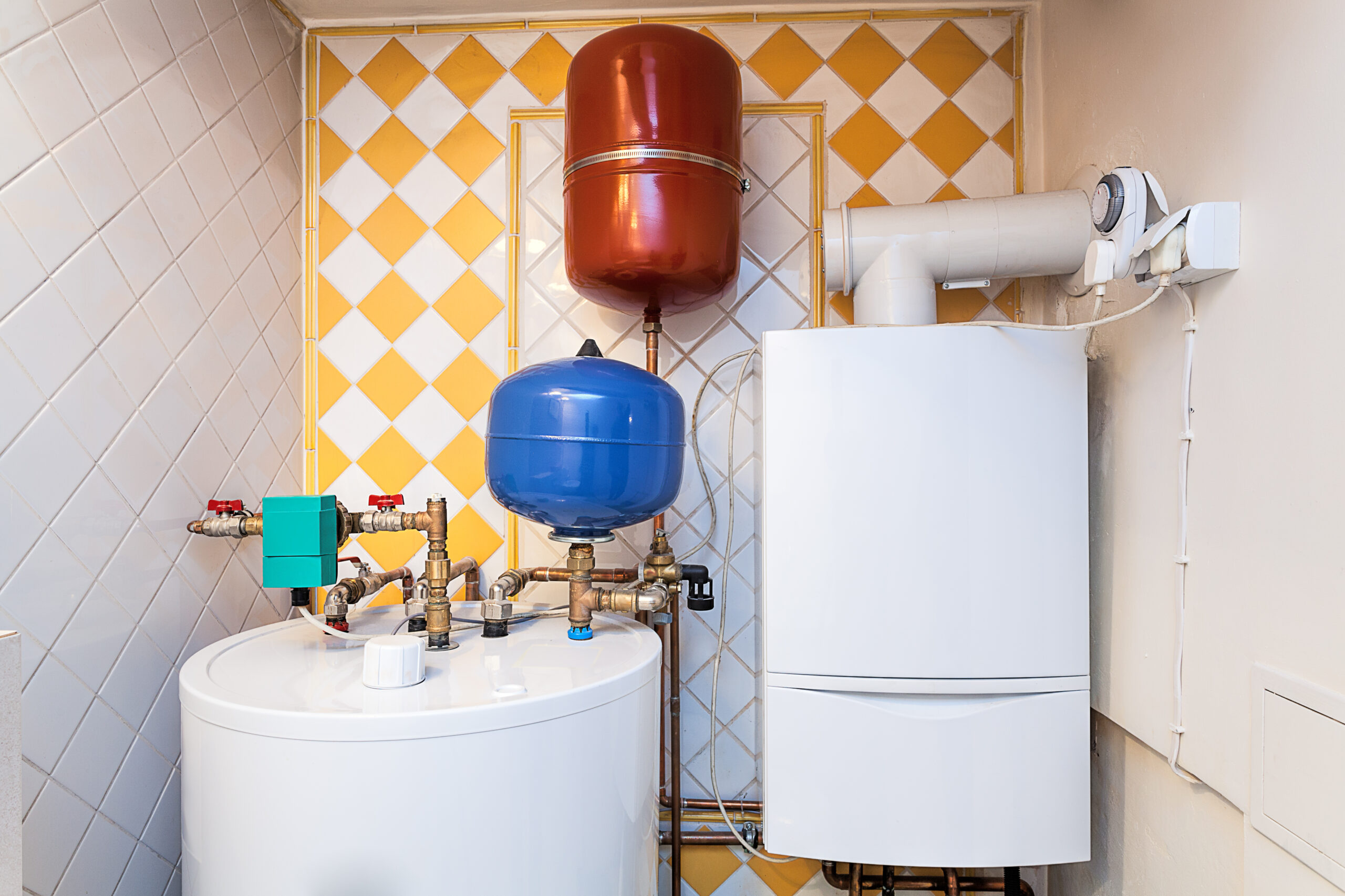
- Carbon monoxide alarms: working alarms in rooms with a fixed combustion appliance, such as a gas boiler or a solid fuel stove.
- Energy performance: a valid Energy Performance Certificate, covered in more detail below.
- Right to rent: checks on adult tenants before the tenancy begins.
Give the tenant what they are entitled to at the start of the tenancy, and diarise every renewal date so nothing lapses. A lapsed certificate can limit what you are able to do later, including how you end a tenancy.
If you want a wider view of what is expected of you, our guide to landlord property standards covers the ground in plain English.
Repairs and Maintenance Before Move-In
Walk through the property with a notepad and a critical eye.
Check the basics:
- Do all doors, windows and locks open, close and secure properly?
- Do taps, toilets, showers and baths work, drain well and have no leaks?
- Does the heating come on and heat every radiator evenly?
- Is there reliable hot water?
- Do all sockets and light fittings work, with no loose or cracked covers?
- Are stairs, handrails and flooring safe, and are the roof, gutters and fences in decent order?
Fix problems properly rather than patching them for now. A quick cosmetic fix that fails in the first month costs you more than doing it once, and it starts the tenancy with a complaint.
Damp, Mould and Ventilation
Damp and mould are now one of the biggest issues in rented housing, and the rules and expectations around them keep getting tougher. A home with a damp problem is not a property ready to rent, however fresh the paint looks. Never paint over a stain and hope for the best.
Look for the signs: dark patches on walls and ceilings, a musty smell, peeling wallpaper, condensation on windows that does not clear, and staining around windows and under sinks. Then find the cause, because mould is a symptom. Common causes include:
- Leaking roofs, gutters, pipes or waste connections (penetrating or rising damp).
- Poor ventilation in kitchens and bathrooms, such as broken or missing extractor fans.
- Cold walls and poor insulation that lead to condensation.
Treat the cause first, then clean and redecorate. Make sure extractor fans work, windows open, and heating can warm the whole home. A short, friendly note to new tenants on ventilating and heating the home also helps.
Housing standards for rented homes are tightening, so read up on what is expected. Our article on the Decent Homes Standard explains what it means for private landlords and what to look out for.
Cleaning and Decoration That Wins Viewings
You do not need a showhome. You need a clean, neutral, well-kept space that lets a viewer picture their own life there.
Book a professional end-of-works clean if you can. It is worth the cost because it gets into the places you will not: inside ovens, behind appliances, around skirting boards, and in the corners of windows.
On decoration, keep it simple:
- Paint in light, neutral colours. White, soft grey and warm cream suit most people.
- Touch up scuffs, nail holes and tired skirting boards.
- Replace or deep clean worn carpets. Stains and smells put viewers off straight away.
- Tidy the garden or outside space, including bins and storage areas.
Furnished, Part-Furnished or Unfurnished?
This is a decision to make early, because it affects who you attract, what you need to buy and what you are responsible for fixing.
Unfurnished is the simplest option. Tenants bring their own furniture, and you only need to provide fitted items such as a cooker and, often, curtain poles or blinds. Part-furnished sits in the middle: typically white goods and perhaps a few basics. Fully furnished suits some local markets, such as professionals on short moves, but it brings more to maintain, replace and record.
If you do furnish, remember:
- Furniture and furnishings should meet UK fire safety rules. Check current requirements before buying second-hand pieces.
- Appliances you provide are your responsibility to repair, so only supply what you are happy to maintain.
- Everything you leave needs to appear on the inventory.
Inventory, Schedule of Condition and Photos
A detailed inventory is the best protection you have. It records what is in the property and what condition it is in on the day the tenant arrives, room by room, with dated photographs. If you ever need to make a claim against a deposit, this is the evidence you will rely on.
A good inventory includes:
- A description of every room, including walls, floors, ceilings, windows and fittings.
- A list of every item you are leaving, with its condition.
- Meter readings for gas, electricity and water.
- Clear, dated photographs, including close-ups of any existing marks or damage.
Have the tenant check it, sign it and keep a copy.
Separate from the inventory, take your marketing photos once the home is clean, tidy and bright. Shoot in daylight, open the blinds, and take wide shots of each room. Good photographs bring in more enquiries, and they set honest expectations so that viewers who turn up actually like what they see.
EPC and Energy Efficiency
You need a valid Energy Performance Certificate before you market a property for rent, and tenants are entitled to see it. An EPC lasts ten years, so check the date on yours. If it has expired or the home has had major work, you may need a new one.
Rules on minimum energy ratings for rented homes have been under review for some time, and the direction of travel is towards higher standards. That makes it sensible to look at your rating now rather than wait. Loft insulation, draught proofing and a good heating system often help.
Check the latest government guidance for the minimum rating and any exemptions.
Deposit Protection and Tenancy Paperwork
If you take a deposit, it must be protected in a government-approved scheme within the time limit, and the tenant must receive the prescribed information. Getting this wrong can lead to penalties and can affect your ability to regain possession. Treat it as part of getting the property ready to rent, not an afterthought once the keys are handed over.
Alongside the deposit, have these in order before move-in:
- A written tenancy agreement that matches the current law for your nation and tenancy type.
- The government’s How to Rent guide (in England), where required.
- Right to rent checks, completed and recorded.
- Gas safety certificate, EPC and electrical report ready to hand over.
Tenancy law in England is changing under the Renters’ Rights Act, including how tenancies work and how they end. That makes it more important than ever to use current documents and to confirm what applies on your start date. If your paperwork is out of date, it is worth getting advice before you sign anything.
Insurance, Utilities, Keys and Viewings
Finally, the practical details that often get forgotten in the rush.
Insurance. A standard home policy usually will not cover a let property. Make sure you have landlord insurance that covers the building and, if you supply contents, those too. Ask about liability cover and loss of rent, and tell your insurer if the property is empty for a spell.
Utilities. Take final meter readings and keep a record. Make sure your name is not left on accounts once the tenant moves in, and let the council tax office know about the change.
Keys. Count them, label them and keep a spare set secure.
Viewings. Decide how viewings will run. Give viewers a reliable time slot, make sure the property is clean and warm, have the paperwork to hand, and be ready to answer questions about bills, parking, pets and the length of the tenancy.
How an Agency Takes the Weight Off
Reading this list, you might be thinking it sounds like a part-time job. For many landlords, it is. That is where a good agency earns its keep, as long as it handles the whole process and not just the advert.
A managing agent can organise the engineers, arrange the safety certificates, book the cleaners, prepare the property before viewings and inspections, produce the inventory, protect the deposit and keep the diary of renewals. They also run viewings, check tenants and handle the repairs that inevitably come up.
At Ethical Lettings, we are a social lettings agency and community interest company, set up in Godalming in 2012. We offer private landlords in Surrey, Hampshire and the South East fee-free guaranteed rent and full property management, funded through partnerships with local authorities. There are no fees to the landlord, we take all types of property, and it can take about a week from first enquiry to first payment. We have never missed a rent payment. If you want to understand the model, our guide to guaranteed rent explains it step by step.
Frequently Asked Questions
How long does it take to get a property ready to rent?
Allow two to six weeks, depending on the condition of the home. Safety checks and electrical work can take the longest, so book those first. A property in good order may be ready in days.
Which safety certificates do I need before letting?
In general, you need a gas safety certificate if there is any gas supply, an electrical installation condition report, working smoke and carbon monoxide alarms and a valid EPC. Requirements vary by nation and change over time, so check the latest rules.
Do I have to redecorate between every tenant?
Not always. You do need the property clean and in a good state of repair, and any damp, damage or worn areas should be put right. A quick refresh with neutral paint is often enough to make it feel new.
Can I let a property with damp or mould?
You should fix the cause first. Damp and mould are a serious issue for tenant health, and standards are tightening, so treat the building problem, not just the stain.
Do I need an agent to get my property let?
No, but it saves time and reduces mistakes. An agent who manages the entire process can prepare the home, check the paperwork and keep everything up to date for you.
The Bottom Line
A property ready to rent is one that is safe, compliant, clean and well presented, and it will let faster, attract better tenants and cause fewer problems later. Start with the legal documents, move on to repairs, damp and decoration, and finish with the inventory, photos, insurance and keys. Then check the current rules once more before you advertise, because they do change.
You do not have to do it alone. If you would like a hand getting your home let, get in touch and the team at Ethical Lettings will talk you through your options, with no pressure.