
Ask any experienced landlord what quietly eats into their returns, and sooner or later the conversation turns to void periods. A void, the stretch of time when a rental property sits empty between tenants, produces no income yet keeps generating costs, and even a few weeks a year can make a real dent in your annual return. For landlords relying on rent to cover a mortgage, an unexpected empty periods can be more than an inconvenience; it can be a genuine financial worry. In this guide we look at what voids really cost, why they happen, and the practical steps, including one that removes the risk entirely, that landlords across Surrey and South West London can take to protect their income.
What Exactly Is A Void Period?
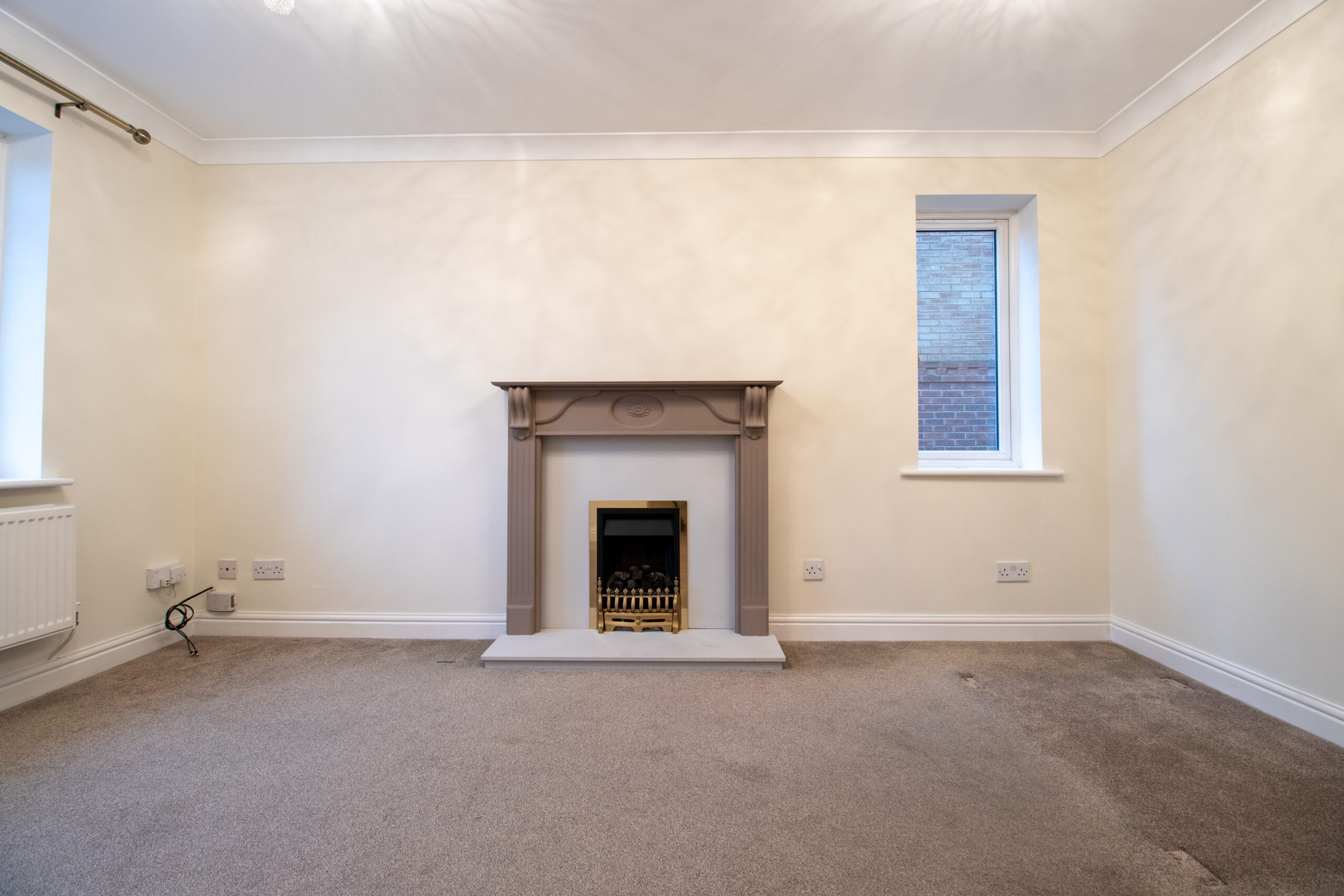
It is simply any time your rental property is unoccupied and not producing rent. It might be the gap between one tenant moving out and the next moving in, a spell while the property is being repaired or refurbished, or a longer stretch caused by difficulty finding a suitable tenant. Whatever the cause, the defining feature is the same: the income stops, but the outgoings do not.
Some landlords treat the odd void as an unavoidable cost of doing business, and to an extent short gaps can be hard to eliminate entirely. The trouble is that voids are unpredictable, and it is precisely that uncertainty, not knowing when the next empty month will arrive, that makes them so difficult to plan around. Understanding what they cost is the first step to taking control of them.
The Real Cost Of Void Periods
The obvious cost of a void is the lost rent, but the true impact runs deeper, because many of a property’s expenses continue regardless of whether anyone is living in it. When you add these up, the cost of even a short void becomes clear:
- Lost rental income: the most direct hit, and for many landlords the money earmarked to cover the mortgage.
- The mortgage still falls due: your lender expects payment whether the property is occupied or not.
- Council tax becomes your responsibility: when a property is empty, the council tax liability typically shifts back to the landlord.
- Utility standing charges: gas, electricity and water can continue to accrue standing charges on an empty property.
- Insurance considerations: some policies treat unoccupied properties differently, which can affect your cover or premiums.
Seen together, a void is not simply a pause in income; it is a period where money flows out with nothing coming in. A property empty for even a month or two a year can quietly erode what looked, on paper, like a healthy return.
Why Do Void Periods Happen?
Voids arise for all sorts of reasons, and understanding them helps you reduce their frequency. Often it is simply timing: a tenant gives notice and the search for a replacement takes longer than hoped, leaving a gap at the changeover. Sometimes a property needs work between tenancies, repairs, redecoration or cleaning, that cannot be completed overnight. And occasionally the market itself is quiet, or the property is priced or presented in a way that slows down interest.
High tenant turnover is a common underlying cause, because every time a tenant leaves you face the risk of another void. This is why settled, long-term tenancies are so valuable to landlords: a tenant who stays for years is a tenant who is not creating repeated gaps in your income. Anything that improves tenant satisfaction and encourages people to stay is, in effect, a defence against voids.
How Landlords Can Reduce Void Periods
The good news is that voids can be managed, and often significantly reduced, with a proactive approach. A few sensible habits make a real difference:
- Start marketing early: begin looking for the next tenant as soon as notice is given, rather than waiting until the property is empty.
- Keep the property well presented: a clean, well-maintained home lets faster and encourages tenants to stay longer.
- Price realistically: a slightly lower rent that lets quickly often beats a higher one that leaves the property empty for weeks.
- Look after your tenants: responsive management and fair treatment encourage people to renew rather than move on.
- Turn work around quickly: arrange any repairs or redecoration promptly so the property is ready for the next tenant without delay.
These steps will shrink your exposure to voids, but they cannot promise to eliminate them, because some gaps and delays are simply outside your control. For landlords who want genuine certainty rather than reduced risk, there is a more complete solution.
Guaranteed Rent: Removing The Risk Entirely
The most effective way to protect yourself from void periods is to remove the risk from your shoulders altogether, and that is exactly what a guaranteed rent arrangement does. Under this model, your rent is paid every month for the duration of the agreement regardless of whether the property is occupied. An empty month becomes the agency’s problem to absorb, not a gap in your income.
This is the heart of what a social lettings agency offers, and it is why so many landlords find it such a relief. Instead of watching the calendar between tenancies and worrying about the next void, you receive a fixed, reliable payment you can plan around with total confidence. We say to landlords all the time that the real value of guaranteed rent is not just the money; it is the peace of mind of never having to think about voids again.

Frequently Asked Questions About Void Periods
How much do these voids typically cost a landlord?
It varies with the rent, the length of the void and the property’s running costs, but because the mortgage, council tax and standing charges often continue, even a short void can cost significantly more than the lost rent alone.
Who pays the council tax when a property is empty?
When a rental property is unoccupied, the council tax liability usually falls back on the landlord rather than the tenant, adding to the cost of a void. The exact position can depend on your local authority.
Can void periods be avoided completely?
Good management can greatly reduce voids, but not always eliminate them, since some delays are outside your control. The only way to remove the risk entirely is a guaranteed rent arrangement, where you are paid whether or not the property is let.
How does guaranteed rent protect against voids?
With guaranteed rent, the agency commits to paying you a fixed amount every month for the length of the agreement, so empty periods no longer affect your income. The risk of voids passes to the agency, not you.
Say Goodbye To Voids With Ethical Lettings
Void periods are one of the most underestimated costs of being a landlord, quietly draining returns and creating uncertainty just when you least want it. While good management can reduce them, the surest way to protect your income is to remove the risk of voids altogether.
At Ethical Lettings, we offer private landlords across Surrey and South West London guaranteed rent and free property management, which means no voids, no arrears, and a fixed income you can rely on every single month. If you would like to stop worrying about empty months and enjoy complete certainty, get in touch with our friendly team today, we would love to hear from you.